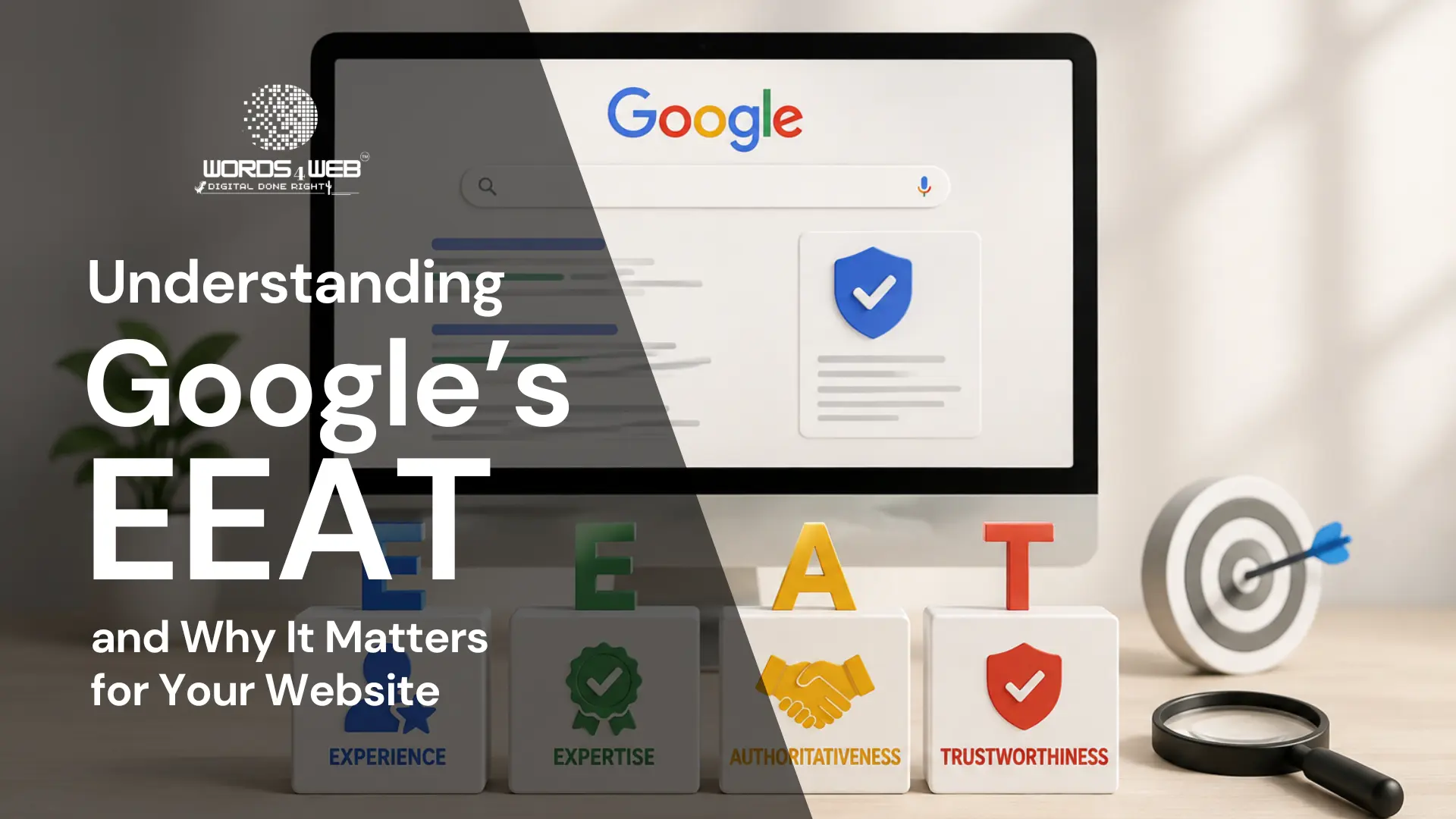
Understanding Google's EEAT and Why It Matters for Your Website
Has it happened to you that written a blog, spent hours on it, but it ranks on the fourth or fifth page? Whereas short and less detailed blogs are on the first page of search results. It may feel disheartening, but you need to understand that the most prominent reason is missing EEAT.
EEAT stands for helps Google to understand whether the content on your website or blog is reliable, relevant, and trustworthy. They make sure the information in it has been written based on real experience. This study afforded the opportunity to explore Google’s AI Gemini. Used as a proxy for the new AI engines implementing these ranking guidelines, we evaluate its ability to understand hypertext narrative.
EEAT ensures that your content can be shared with an audience and rank at the top in search results based on its relevancy. In this competitive world, good content is not enough. Your website needs to show its experience, expertise, authoritativeness, and trustworthiness (EEAT) to the audience. In this blog, we’ll explain to you what EEAT is, why it is important, and how it helps you to showcase your products or services to the audience and search engines both.
Google EEAT: The Ranking Signal You Can't Afford to Ignore
EEAT helps you to understand the guidelines that search engines like Google use to find whether your content is reliable or deserves to rank on the first page or not. Google showcase those content to the audience that seems relevant and shows them that they are based on real experience, and the audience can feel relatable to it.
However, EEAT is not a content ranking factor, but it plays a crucial role when Google evaluates the quality of content. Google confirms that before showing your content, irrelevant content cannot be shown to the audience. And to be sure, they ask, “Is the website trustworthy to show to the audience?”
What is EEAT in SEO?
SEO has always been one of the best organic ways to rank your website on Google. And if you're wondering what EEAT is in SEO, think of it as Google uses it to check the credibility of your content. Google EEAT is divided into four parts to check the relevancy of your website.
Experience: The content written is based on real experience or real knowledge of the particular product or service. For instance, using a particular product or experiencing a service and then giving your inputs for the same seems valuable and relevant to the reader.
"Your most unhappy customers are your greatest source of learning." — Bill Gates.
This quote by Bill Gates also explains in a single line that experience matters the most in building your brand in the industry. When you write based on your experiences, people connect with you. And they find the information shared is factual or based on real experience. When your content is written on experience, Google easily considers your website trustworthy.
Expertise: It depends on the writer’s skills. It checks whether the information shared is based on accurate understanding, training, or experience. It makes sure that the information shared is fact-based.
Authoritativeness: It's about your image in the digital world. Google considers the image of the author and website in their own industry. The review, quality backlinks, all help to evaluate the reputation and decide the ranking in search results.
Trustworthiness: It is the most important and crucial part of EEAT. As it decides whether your website is honest, secure, and reliable to show to the audience. Having accurate and relevant information, updated contact details, and privacy policies helps Google and the audience to trust your website.
When these four elements work together, they make sure to rank your website to show on the first page in search results. Make sure that the audience trusts your website and revisits to read your content.
How Does EEAT Affect Google Rankings?

Nowadays, people are getting more dependent on AI. AI is being used for all personal and professional needs. From writing text to creating websites or images, people are opting for AI over humans to save time and money. This study shows that doing semantic SEO and EEAT, done together, will help you to become visible to an organic audience and increase your brand presence in the digital world.
However, Google gives better rankings to those websites that share real experiences and trustworthy content (human content). And the brands that take care of this get more visibility as compared to others in gaining the trust of the audience and Google. Therefore, it is more crucial to have real content when it comes to sectors like health, money, or safety.
Before ranking a website, Google checks the content. Like who has written the content or shared the information, whether the information is human-written or AI-generated, whether it is copied or original(plagiarism). It also depends on how the website's reputation is in the digital world and then decides the ranking. If a website doesn't show trust signals, then Google finds it hard to rank your website even if you have done significant SEO. This is the reason well-researched, human-written content is prioritised over AI-generated content. Adding original insights and citations to your content helps you to seem trustworthy to Google.
Why EEAT Matters More Than Ever for Your Website
Nowadays, people's search behaviour has changed from earlier. People, while searching, just don't go to the first link shown in the search results. But before making a purchase or signing up, they think twice if they can trust the website or not.
A website that shows real experience, expertise, authority, and trust, i.e., EEAT, has higher chances of engaging the audience, as the business is prioritised by Google in search results. The audience also prefers to read the content of a good EEAT-holding website or likes to spend more time on the website instead of leaving immediately. Also, they would like to revisit either for information or to make a purchase. EEAT helps you build brand reputation in the digital world, as Google prefers to rank those websites that show relevant and trustworthy information.
This becomes prominent in sectors like health, safety, or finance where legal knowledge is mandatory. As wrong information can cause serious issues. However, EEAT plays an important role in every sector’s website to grow and increase audience engagement. When the content seems real and relevant, people trust it more. And the positive actions by the audience, like revisiting, can help your business rank.
Common EEAT Mistakes That Hurt Your Rankings
Many websites unintentionally weaken their EEAT by publishing unverified claims, hiding author information, or relying on generic, unedited AI content.
Ignoring user experience, slow load times and confusing navigation also erode trust.
Some brands skip transparency basics, like clear "About Us" pages or honest disclosure of sponsored content, which quietly signal that a site isn't fully trustworthy. Avoiding these mistakes is just as important as actively building strong EEAT signals, since Google evaluates the complete picture of your website's credibility rather than judging isolated pages in a vacuum.
Conclusion
This new feature, Google EEAT, is now more than just a trend to follow. It has become an important tool that helps Google to decide the website’s worth. It helps Google to understand which website deserves the visibility and trust of the audience and should be shown at the top in search results.
Even after doing regular SEO, the website might not rank; opt for EEAT. This might help you improve your rank in search results. Instead of depending on AI or using AI to write, using your own real-life experiences and original, relevant information helps you rank higher in search results.
If you want your website to be trusted by both your audience and Google. Connect with digital Marketing agencies like Words4Web. We create EEAT-designed SEO strategies to build your website reputation and increase your brand in public. Visit www.words4web.com and let us make your brand high-ranking and become trusted in the digital world.
Frequently Asked Questions
What is EEAT in SEO?
EEAT stands for Experience, Expertise, Authoritativeness, and Trustworthiness. It's the framework Google's quality raters use to judge whether a page and its creator are credible enough to deserve high rankings.
How does EEAT affect Google rankings?
EEAT isn't a direct ranking factor, but it shapes the signals Google's algorithms rely on, such as content quality, author credibility, and site reputation, which strongly influence visibility in search results.
Is Google EEAT more important for certain industries?
Yes. It matters most for "Your Money or Your Life" topics like health, finance, and legal content, but every website benefits from stronger experience, expertise, authority, and trustworthiness signals.
Can a small business improve its website's EEAT?
Absolutely. Adding author bios, publishing original content, earning genuine reviews, and keeping the site secure are all accessible steps any business can take to strengthen EEAT.
Research & Citations
Command Your Brand's Growth
Ready to design a custom digital marketing strategy that drives real business results? Connect with our experts today.